
“Street culture is already international. Here in Strasbourg on May 25th, 2026, we decided to create a shared space to envision its future on a European level. Alone we go faster; together we go further.”
With this statement, the Manifesto of European Street Culture comes to a close. But what exactly is this text, and what does it represent? To understand it, we need to go back to the beginning.
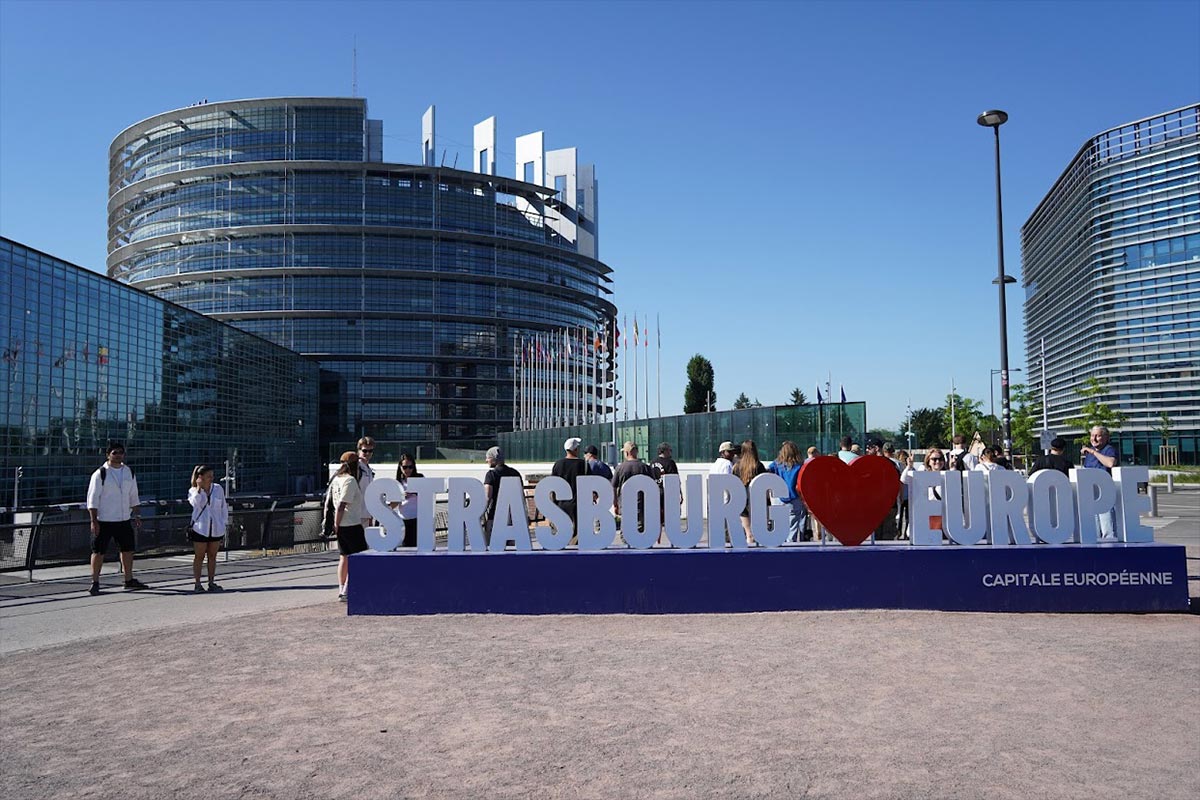
Photo by Pierre Mischler @petit__pierrot
From May 21–25, 2026, the Meeting of Stars took place in Strasbourg, France, the first European Street Culture Conference. The idea and organization behind the event came from Nouvelle-Lign, the team behind NL Contest, which hosted the gathering as part of this year’s festival edition.
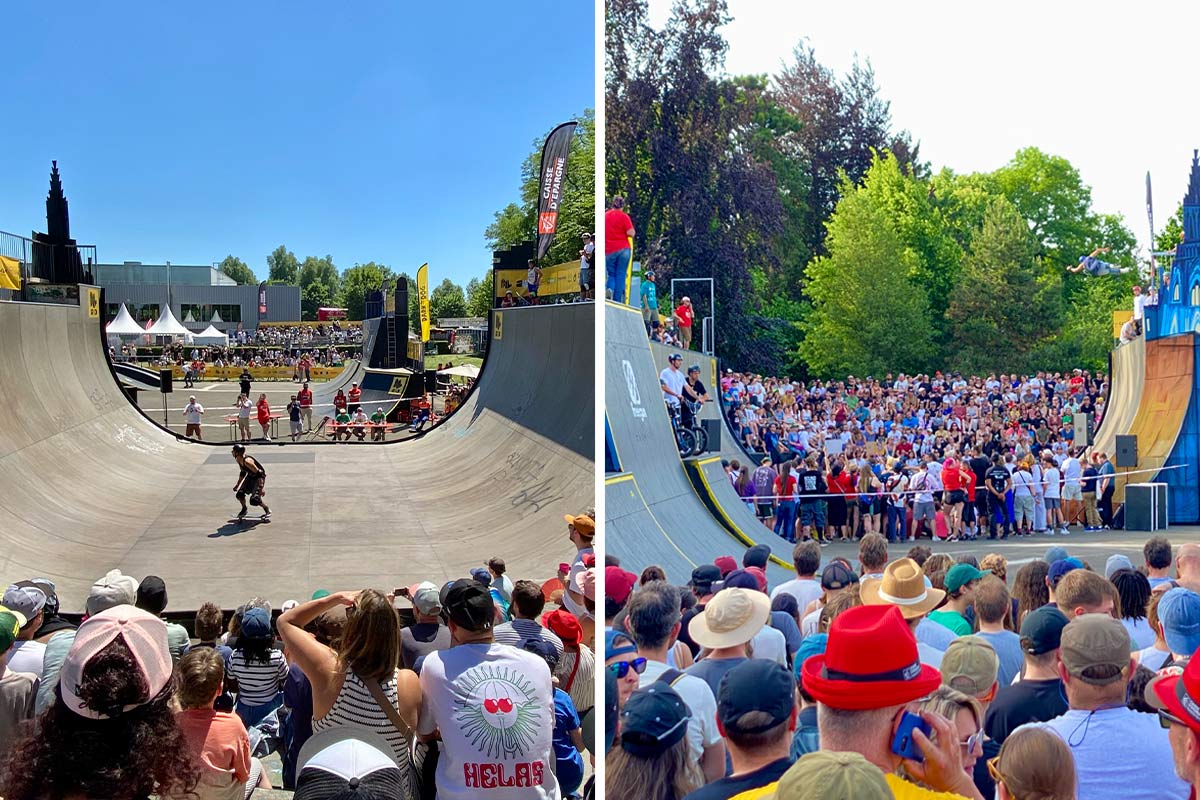
Scenes from NL Contest, host of the Meeting of Stars conference.
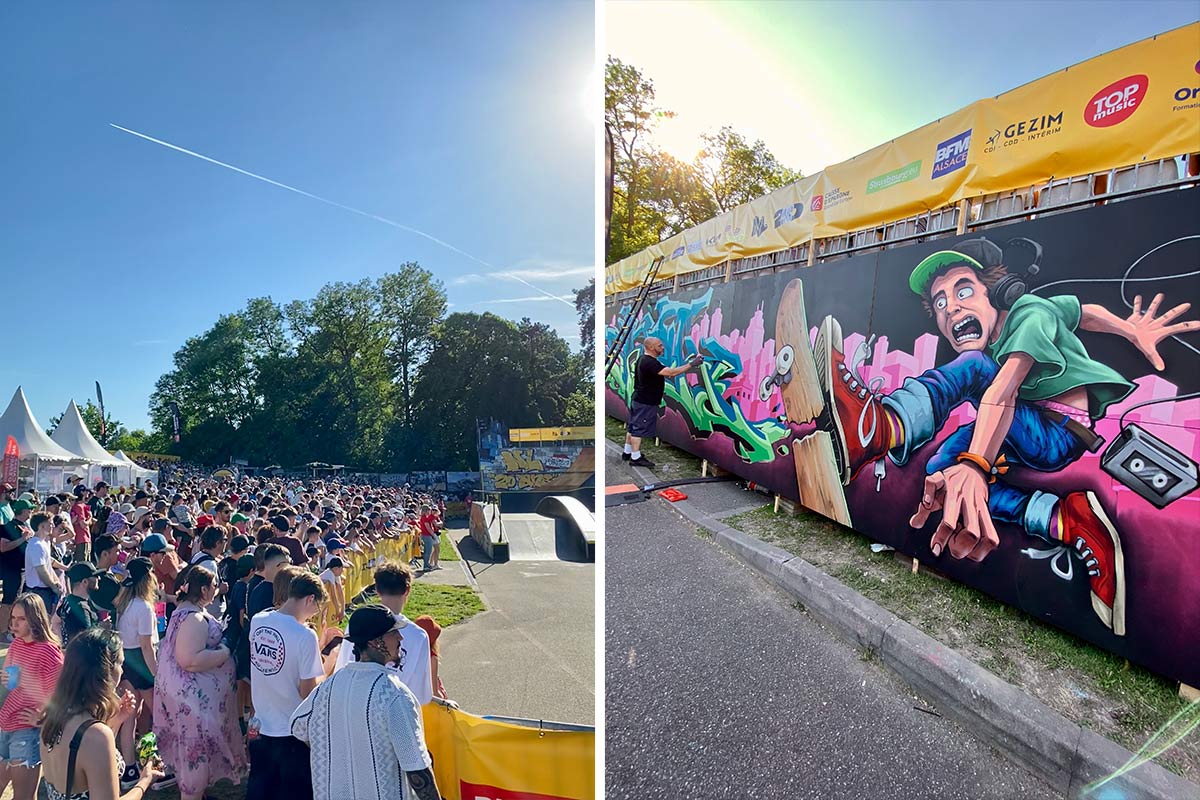
Scenes from NL Contest, host of the Meeting of Stars conference.
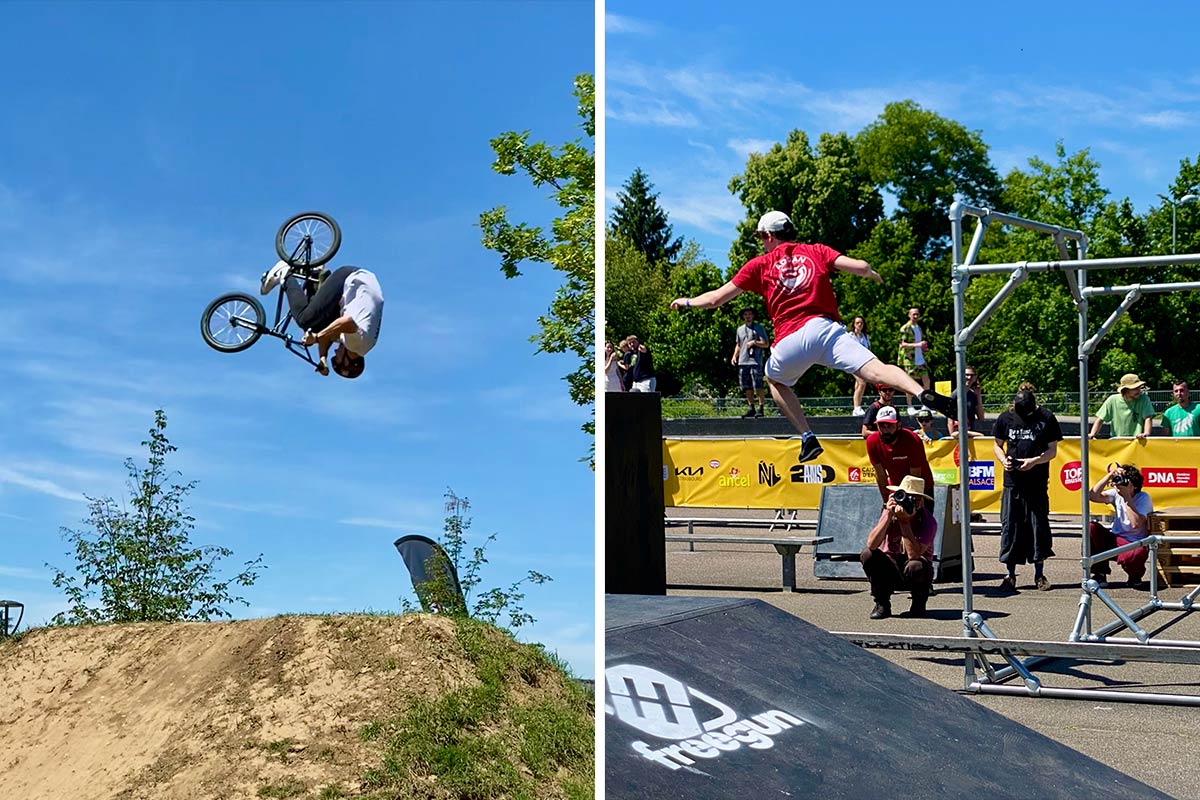
Scenes from NL Contest, host of the Meeting of Stars conference.
What happened there was the first collective effort to build a platform for cooperation — the European Street Culture Network — while also attempting to define, as clearly as possible, what “street culture” actually means.
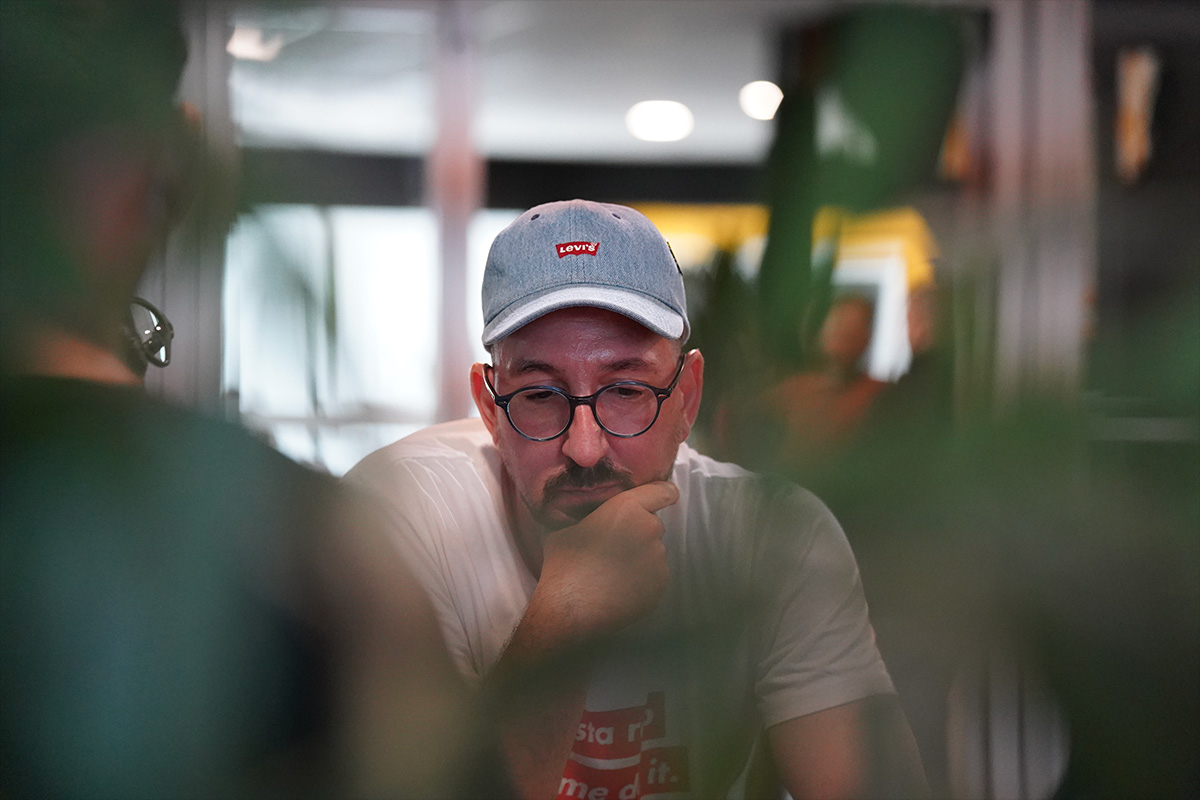
Photo by Pierre Mischler @petit__pierrot
Each country was represented by one organization, whose role from now on will be to act as an ambassador of the council within its own country. Greece was represented by Giannis Efstathiou, on behalf of Street Mode Festival and Mode Productions.
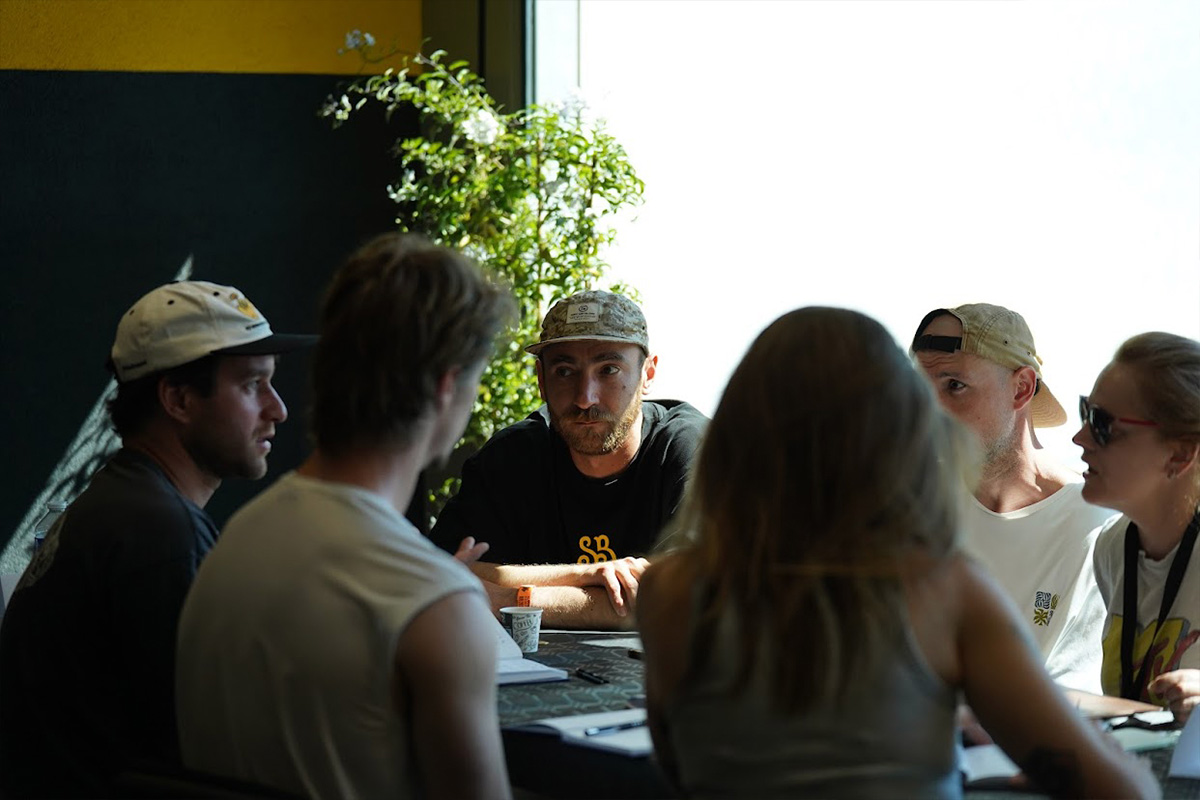
Photo by Pierre Mischler @petit__pierrot
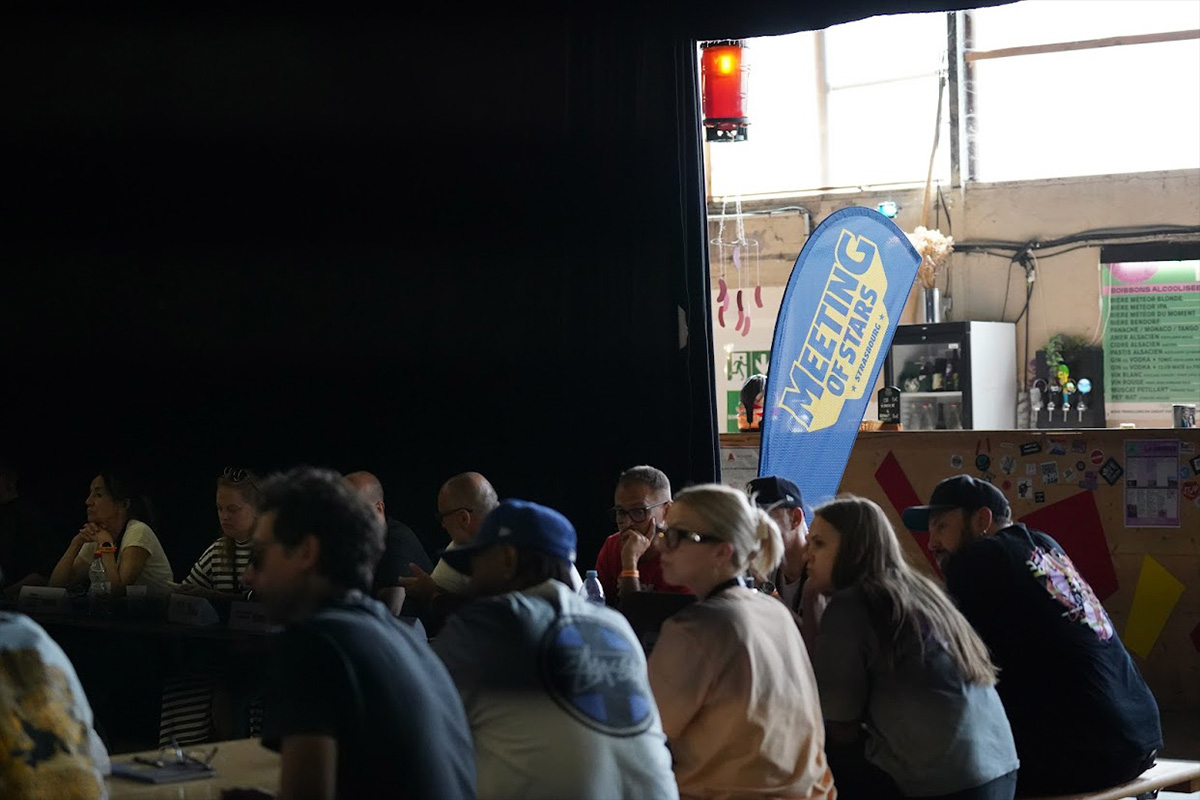
Photo by Pierre Mischler @petit__pierrot
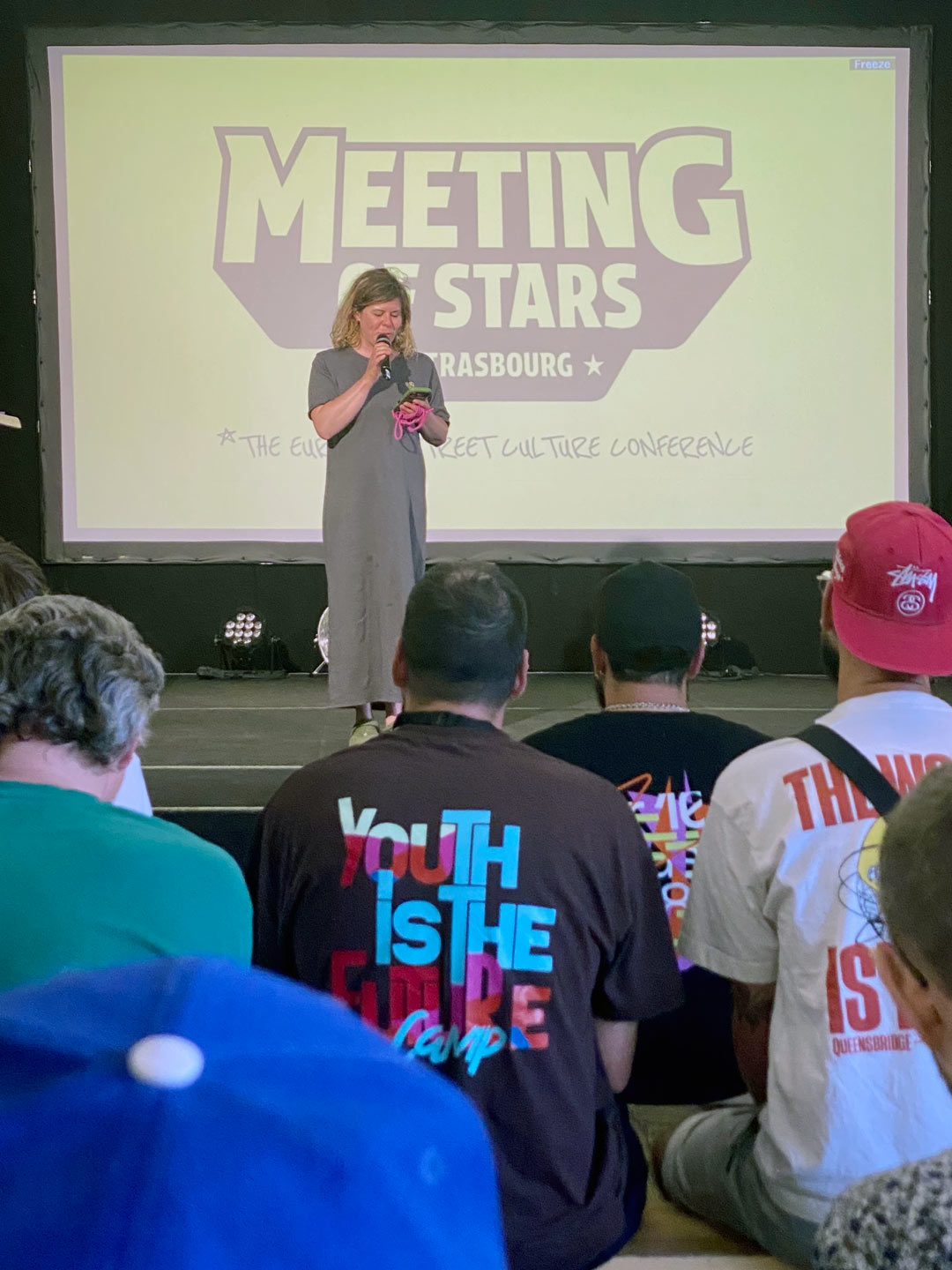
The project was publicly presented by Nouvelle-Ligne to the general public and local stakeholders.
What follows is the Manifesto of European Street Culture: the first official document gathering the vision, conclusions, and common goals that emerged from this historic meeting.
Manifesto of European Street Culture
May 21–25, 2026
To mark the 20th anniversary of the NL Contest, ambassadors and representatives of street culture from the 27 countries of the European Union gathered in Strasbourg from May 21 to 25, 2026, to reflect on and rethink the future of street culture at the European level. This historic gathering in the heart of the European capital of Strasbourg marks a major turning point: the determination to join forces, transcend our national differences and those of our specific practices, and organize ourselves into a unified system capable of making our voices heard by institutions.
Let’s go back to the beginning. Street culture brings together diverse communities, disciplines, and generations. They all share one thing in common: they emerged in the heart of cities, among the streets and concrete surfaces. All around us, public spaces pulse with our practices: we defy gravity, we inhabit and transform spaces and we make them resonate with our sounds, visuals and movement. We emerged organically without asking permission. Without pre-established frameworks, our practices have developed deep and solid roots, guided by the passion and dedication of those who bring them to life. Little known, often stereotyped, sometimes co-opted, they now face a turning point.
Our shared analyses reveal a profound territorial imbalance at the European level. Public and institutional support varies from one country to another, ranging from advanced models to isolated local initiatives that survive precariously. This fragmentation undermines the development of national or trans-national projects. We also observe difficulties in securing financial support, whether public or private, especially when we lack access and means of approach to the appropriate decision makers. We also note challenges with public event schedules, a glaring lack of communication among stakeholders across the 27 countries, as well as a lack of shared spaces to centralize contacts and pool resources.
Our disciplines are rooted in universal values of openness, justice, equality, respect and inclusion. Street culture thrives in socially diverse spaces where learning takes place through peer-to-peer interaction, based on the sharing of experiences and knowledge. Our culture plays a vital role in building bridges and acting in solidarity with vulnerable communities. Our movement is deeply intergenerational and socially progressive, aware that its future will be shaped by young people.
Our interactions with the institutional sector highlight major obstacles: bureaucratic red tape and eligibility criteria that are sometimes ill-suited to our grassroots structures. We face a shortage of specialized human resources and a lack of technical expertise in securing funding, particularly from European sources. Funds are too often captured by opportunistic traditional institutions or federations acting in their own self-interest. Our challenge is clear: to be fully recognized and funded, but never to be institutionalized or standardized.
Our goal is to build and establish a platform for cooperation—a European Street Culture Network—in order to become a unified and legitimate voice in the eyes of institutions, whether local, national, or European. This platform is built on a shared definition of our movement, as well as through the creation of a database that centralizes existing organizations, lists events and contacts and fosters dialogue. The goal is to join forces, transcend the boundaries between disciplines, and thereby transcend the boundaries between countries.
We are committed to fostering cooperation and mutual trust within our network. We are also committed to sharing our skills and experiences, bridging disciplines, and supporting the smallest organizations among us. We aim to ensure that our meetings among European stakeholders continue so that our aspirations do not go unfulfilled. This Manifesto seals our commitment to jointly laying the foundations for the future European Street Culture Conference. A sovereign space where we will discuss and exchange ideas to preserve the independence that is our strength.
Street culture is already international. Here in Strasbourg on May 25th, 2026, we have decided to give it a shared space to envision its future on a European level. Alone we go faster; together we go further.
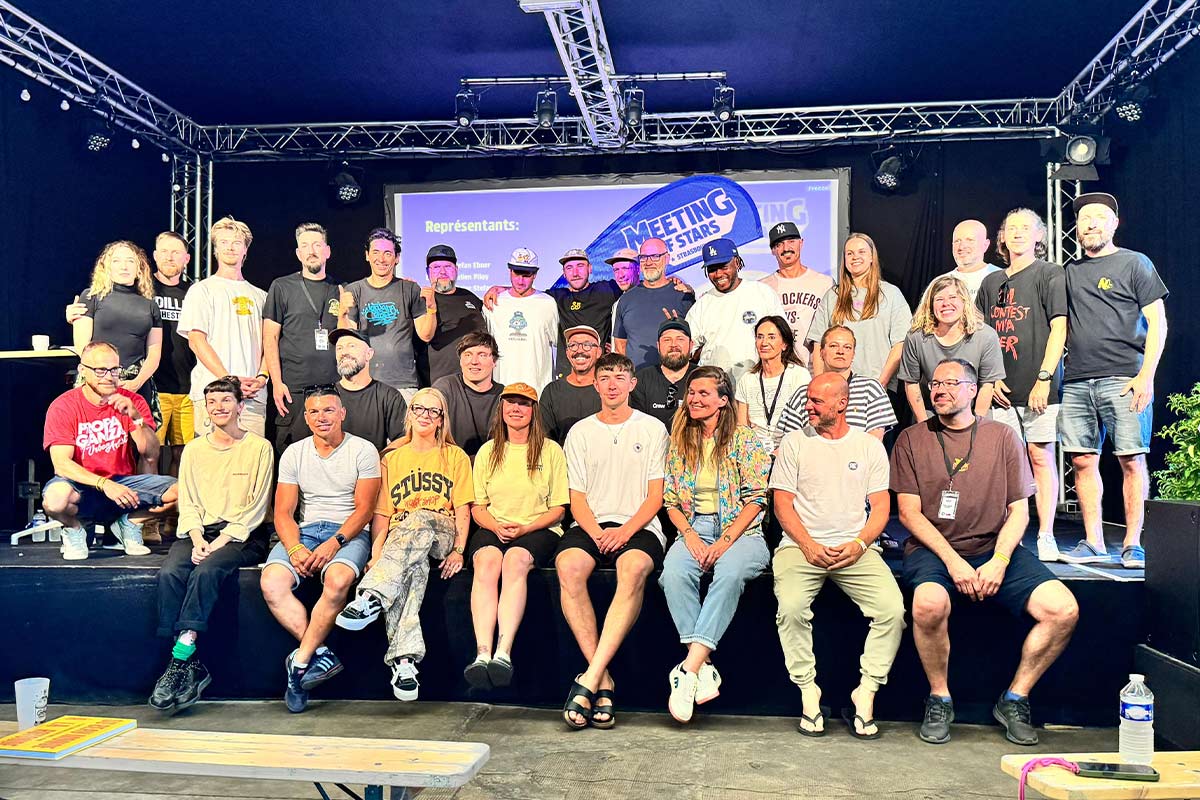
A group photo with all participants.
Country representatives in alphabetical order:
· Austria: Skateboard Club Innsbruck
· Belgium: Propaganza Urban Artists
· Bulgaria: Five High Skatepark
· Cyprus: Break The Maze
· Croatia: Pannonian Challenge
· Czechia: SAFE Street Art Festival
· Denmark: GAME International
· Estonia: Simple Session
· Finland: Helride Collective
· France: M Glisse
· Germany: Team Combo
· Greece: Street Mode Festival
· Hungary: Cypher Town
· Ireland: The Walls Project
· Italy: Trick Track
· Latvia: Ghetto Games
· Lithouania: Boardsports Skatepark
· Luxembourg: BeMiX Bikes
· Malta: Twitch
· Netherlands: Kings of Colors
· Poland: Fundacja Urban Forms
· Portugal: Ricardo Lino
· Romania: Dolce Skateboards
· Slovakia: The Legits Blast
· Slovenia: Samo Bajec
· Spain: Marisquino
· Sweden: Malmo Parkour Klubb
Follow Meeting of Stars and Nouvelle-Ligne for the latest updates: